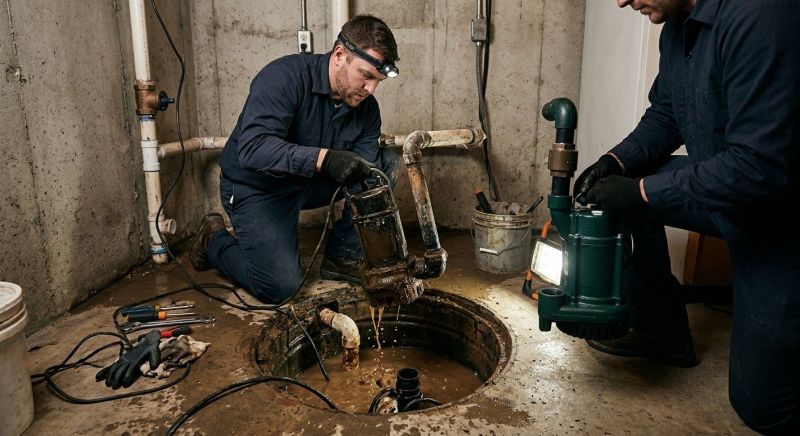
Sump Pump Installation in Boston, MA
Sump pump installation services involve setting up a specialized pump system designed to remove excess water from basements and crawl spaces, helping to prevent flooding and water damage. These systems are typically installed in areas prone to heavy rainfall or high water tables, and they work by automatically activating when water levels rise, directing water away from the property to a safe drainage point. Homeowners often request sump pump installation when constructing a new basement, upgrading an existing drainage system, or addressing persistent moisture issues that could lead to mold or structural damage over time.
Before requesting sump pump installation, property owners usually want to understand the different types of pumps available, such as submersible or pedestal models, and which might best suit their property’s needs. It's also helpful to consider the size and capacity of the pump, the location for installation, and whether additional drainage components are necessary for optimal performance. Proper planning ensures the sump pump functions effectively during heavy storms or seasonal changes, providing peace of mind against unexpected water intrusion.
Many property owners in Boston, MA look into Sump Pump Installation for repairs, replacements, upgrades, and appearance-related improvements.
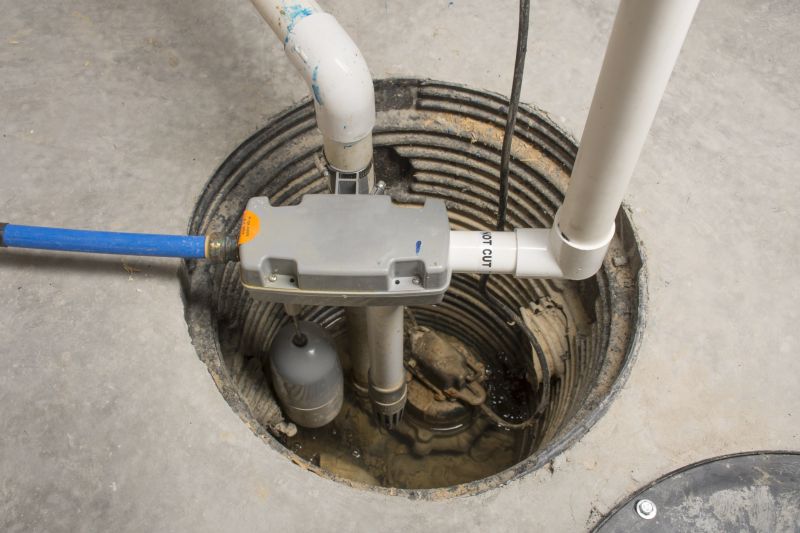
Sump Pump System Benefits
Proper sump pump installation helps protect basements from flooding and water damage during heavy rains.
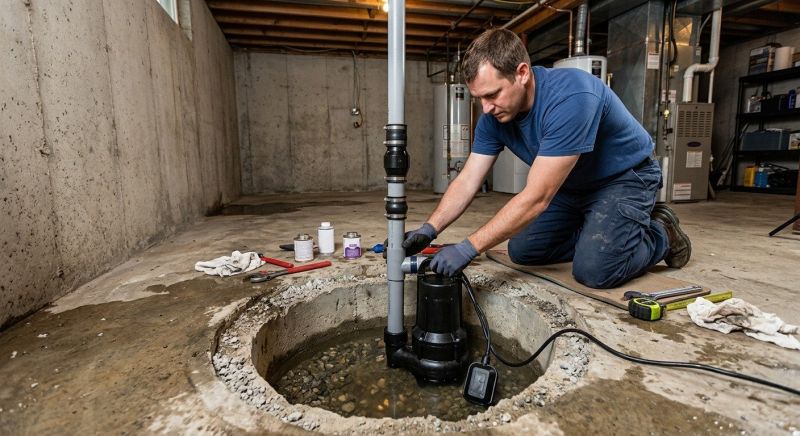
Installation Process Overview
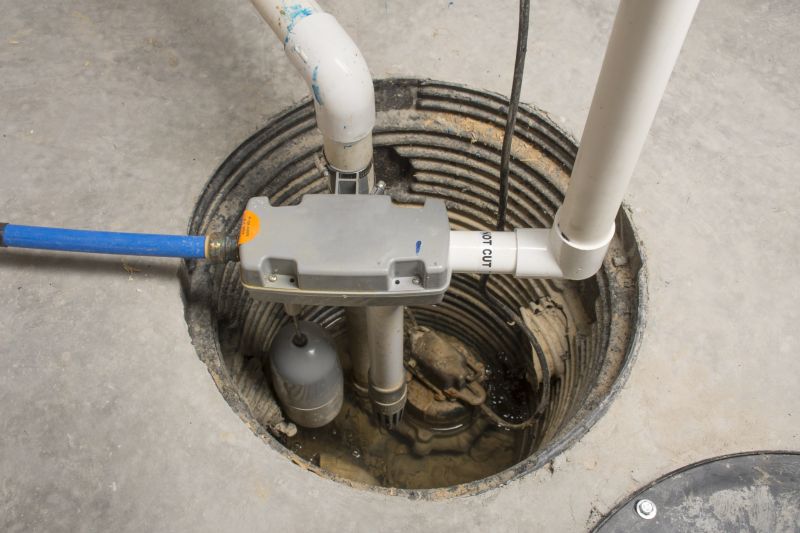
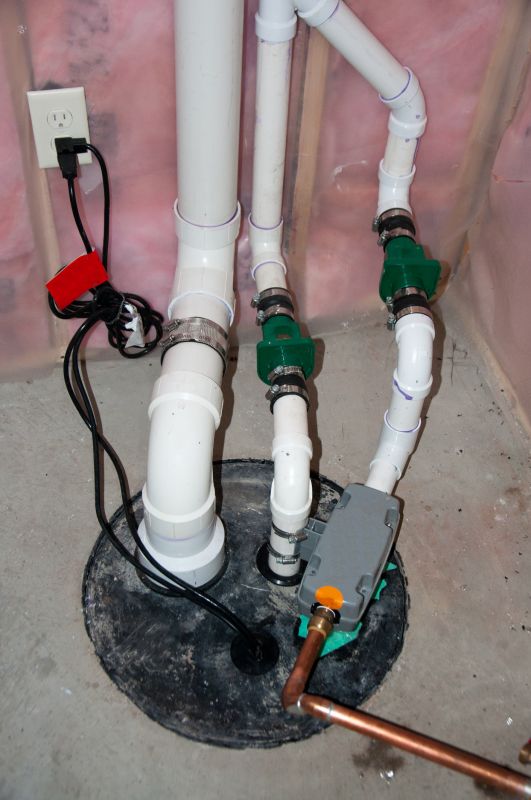
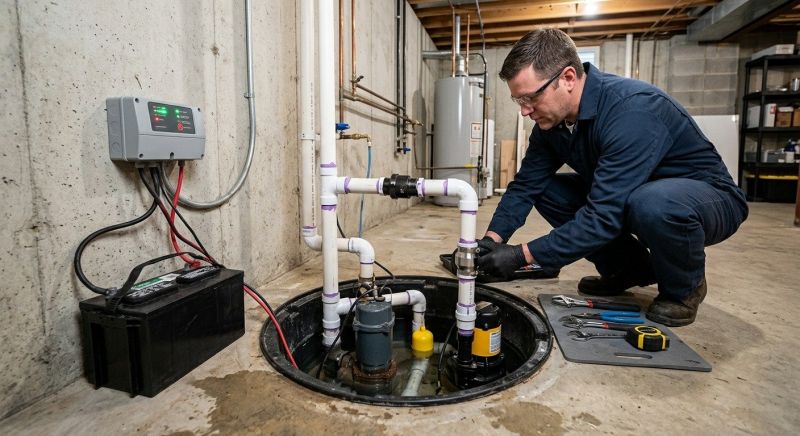
The process involves placing the sump pump in a pit and connecting it to drainage systems to ensure effective water removal.
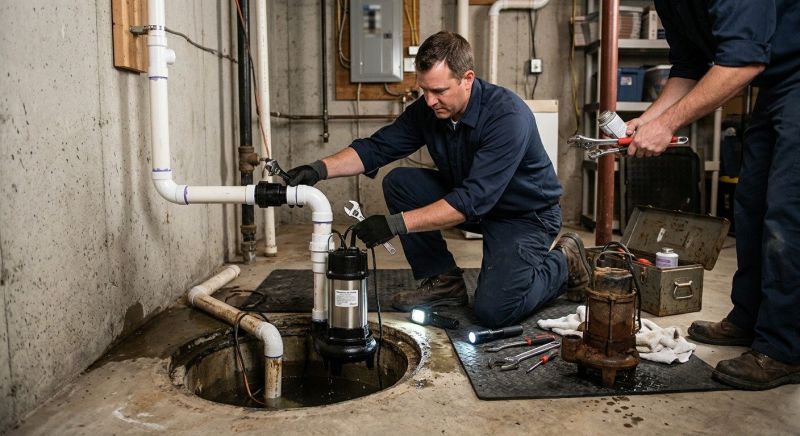
Maintenance And Upkeep
Regular checks and maintenance are essential to keep the sump pump functioning reliably in boston's wet seasons.
Sump Pump Installation in Boston, MA

Sump pump installation services involve setting up a specialized pump system designed to remove excess water from basements and crawl spaces, helping to prevent flooding and water damage. These systems are typically installed in areas prone to heavy rainfall or high water tables, and they work by automatically activating when water levels rise, directing water away from the property to a safe drainage point. Homeowners often request sump pump installation when constructing a new basement, upgrading an existing drainage system, or addressing persistent moisture issues that could lead to mold or structural damage over time.
Before requesting sump pump installation, property owners usually want to understand the different types of pumps available, such as submersible or pedestal models, and which might best suit their property’s needs. It's also helpful to consider the size and capacity of the pump, the location for installation, and whether additional drainage components are necessary for optimal performance. Proper planning ensures the sump pump functions effectively during heavy storms or seasonal changes, providing peace of mind against unexpected water intrusion.
Many property owners in Boston, MA look into Sump Pump Installation for repairs, replacements, upgrades, and appearance-related improvements.
Common Sump Pump Installation Jobs
Sump Pump Installation - ensures effective removal of water from basement or crawl space areas.
Basement waterproofing projects - help prevent flooding and water damage during heavy rains.
Flood prevention upgrades - protect properties from unexpected water intrusion.
New sump pump setups - provide reliable drainage for homes without existing systems.
Replacement of outdated pumps - improve system efficiency and reduce the risk of failure.
Drainage system integration - optimize water flow and protect foundation stability.
Sump Pump Installation Questions
Why is a sump pump important for a property? A sump pump helps prevent basement flooding by removing excess water caused by heavy rain or groundwater seepage.
What types of sump pumps are available? There are pedestal and submersible sump pumps, each suitable for different basement conditions and property sizes.
How is a sump pump installed? Installation involves placing the pump in a sump basin, connecting it to a drainage system, and ensuring proper power and outlet connections.
When should a sump pump be replaced? Replacement is recommended if the pump frequently fails, makes unusual noises, or shows signs of wear and aging.
Request Sump Pump Installation in Boston, MA
Use the quote form on this page to share the basics of your project and request more information for the type of work you need.